CBD Sleep: flowers, oils, e-liquids and gummies for better sleep
Sleep disorders (difficulty falling asleep, nighttime awakenings, uneven sleep quality) affect many people, often linked to stress, disrupted schedules, or lifestyle habits. As part of a well-being approach, some turn to CBD (cannabidiol), a non-psychoactive compound derived from hemp, to promote a feeling of relaxation at the end of the day. In this category, you will find several forms of CBD suited to an evening routine: CBD oils, CBD flowers, CBD e-liquids, CBD gummies, and resins. The goal: to help you choose the option that best fits your habits, without medical claims and in compliance with French regulations.
Why CBD is used for sleep
CBD is often chosen in the evening because it may contribute, for some people, to a feeling of relaxation and unwinding after a busy day. From a well-being perspective, the idea is not to “force” sleep, but to help create a more favorable context: slowing down, easing mental agitation, and supporting an end-of-day routine. Experiences remain variable: dosage, form, individual sensitivity, diet, stress level—everything matters.
Key point:
CBD ≠ sleeping pill. CBD is not a medicine and does not replace medical care. It is best viewed as a well-being complement, to be integrated into an evening routine (reduced screen time, herbal tea, breathing, regular bedtime).
Focus:
Many difficulties falling asleep are linked to an “always-on” mind. CBD is mainly sought for its calming aspect and the feeling of winding down more easily, without psychoactive effects.
How to choose CBD for sleep
There is no “one-size-fits-all” product. The right choice mainly depends on your habits, the intensity you’re looking for, and your sensitivity. Here is a simple, non-prescriptive guide.
Based on your needs
- Settling down in the evening: gentle routine (oil, infusion, gummies).
- Slowing down after a busy day: faster, occasional form (vape) or oil.
- Cocooning ritual: infusion + calming environment.
Based on your consumption method
- You like precision: oil (drops) or gummies (fixed dose).
- You already vape: CBD e-liquid, possibly at low intensity in the evening.
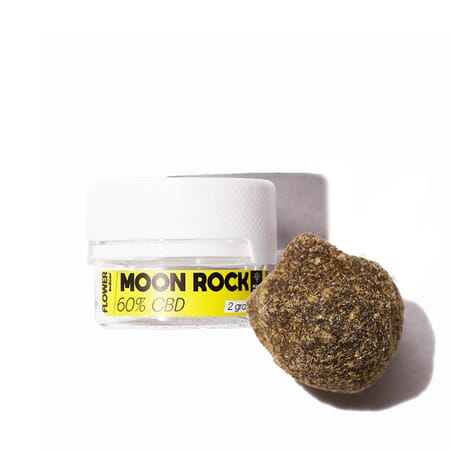
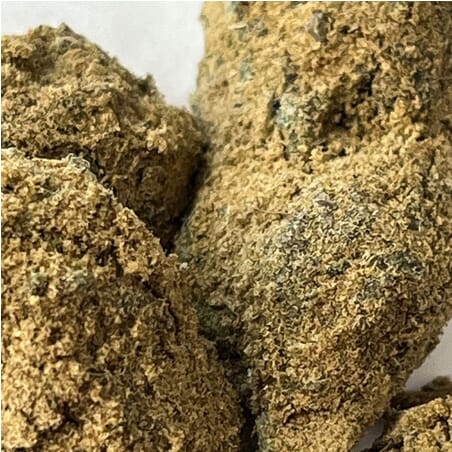
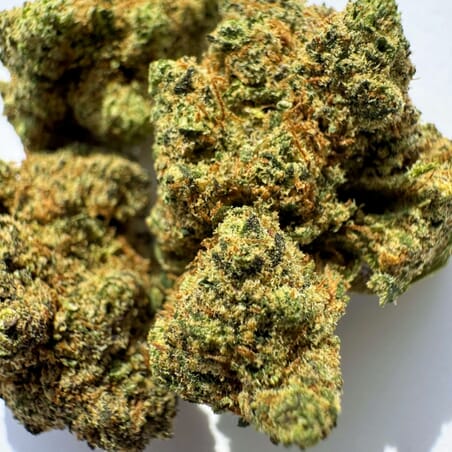
- You enjoy natural aromas: flowers/resins via vaporization or infusion.
Based on desired intensity
- Subtle: low dose, regularity, gentle form (infusion/gummies).
- More pronounced: gradually adjust the dose and choose a form that fits your habits.
Tips:
- Choose a form you can stick with over time: regularity often matters more than “strength.”
- Prefer products with available analyses (traceability, THC compliance).
- Test only one variable at a time (dose OR form) over several days.
Mistakes to avoid:
- Overdosing from the start: begin low and increase gradually.
- Lack of consistency: a single isolated dose says little.
- Unrealistic expectations: CBD is not a sleeping pill; effects are often subtle.
When and how to use CBD for sleep
Timing depends on the chosen form. Inhaled forms (vaping) are often perceived more quickly, while oral forms (gummies/infusions) generally take longer. Sublingual oil falls in between.
Evening routine (simple and effective):
- 1 hour before: dim the lights; avoid screens if possible.
- 45 minutes before: lukewarm shower / light stretching / breathing.
- 30 minutes before: sublingual CBD oil OR infusion (depending on habits).
- At bedtime: cool, dark, quiet bedroom.
Best practices:
- Start with a low dose and adjust gradually.
- Assess your experience over 3 to 7 days, not a single use.
- As a precaution, test your reactions before driving or operating machinery.
- If you are on medical treatment, seek advice from a healthcare professional.
Quality, composition and compliance of CBD products
For a reassuring experience, choose transparent products: hemp origin, batch analyses, clear composition. Good quality does not guarantee an effect, but it reduces unpleasant surprises.
Checklist: what to check
- Clearly stated CBD content (mg/ml, %, mg per gummy, etc.)
- Available lab analyses (cannabinoids, contaminants)
- Traceability (batch, origin, manufacturing method)
- Readable ingredient list (no unnecessary additives)
- Usage advice and precautions (adults, possible interactions)
Legal framework:
In France, CBD products must comply with a THC ≤ 0.3% limit. CBD is non-psychoactive: it does not cause a “high” comparable to THC.
Tips to improve sleep alongside CBD
CBD can be part of an evening routine, but the greatest improvements often come from a holistic approach: environment, schedules, stress management, diet, physical activity…
Lifestyle basics:
- Regular bedtime/wake-up time, even on weekends
- Reduced screen use in the evening (or filters + low brightness)
- Cool, dark, quiet bedroom
- Limit caffeine after 2–4 pm
- Calm ritual: reading, breathing, gentle stretching
Complementarity:
CBD is often most relevant when it supports stable habits: a regular routine, reduced end-of-day stress, and a sleep-friendly environment.
Frequently asked questions about CBD sleep
Does CBD help you sleep better?
Some people report a feeling of relaxation and easier sleep onset when stress decreases. Others notice no significant difference. CBD is not a sleeping pill, and experiences remain variable.
Which form is best for sleep?
There is no single rule. In practice:
- CBD oil: evening routine, precise dosing.
- Infusion: gentle, gradual ritual.
- Gummies/candies: convenient, discreet (slower).
- Vaping: often faster perceived effect, more occasional.
Can CBD be used every evening?
Some people integrate it into a regular routine, while others prefer occasional use. Start low, observe your experience, and adjust. If you are on medical treatment or unsure, seek professional advice.
Is CBD addictive?
CBD is not considered psychoactive and does not cause a “high.” In a well-being approach, it is generally not associated with dependence comparable to addictive substances. Responses vary individually; if concerned, seek guidance.
How long does it take to feel the effects?
As a general guide (varies by individual):
- Sublingual oil: ≈ 15–30 min
- Vaping (e-liquids/flowers): a few minutes to 15 min
- Infusion: ≈ 30–60 min
- Gummies/candies: ≈ 45–90 min